
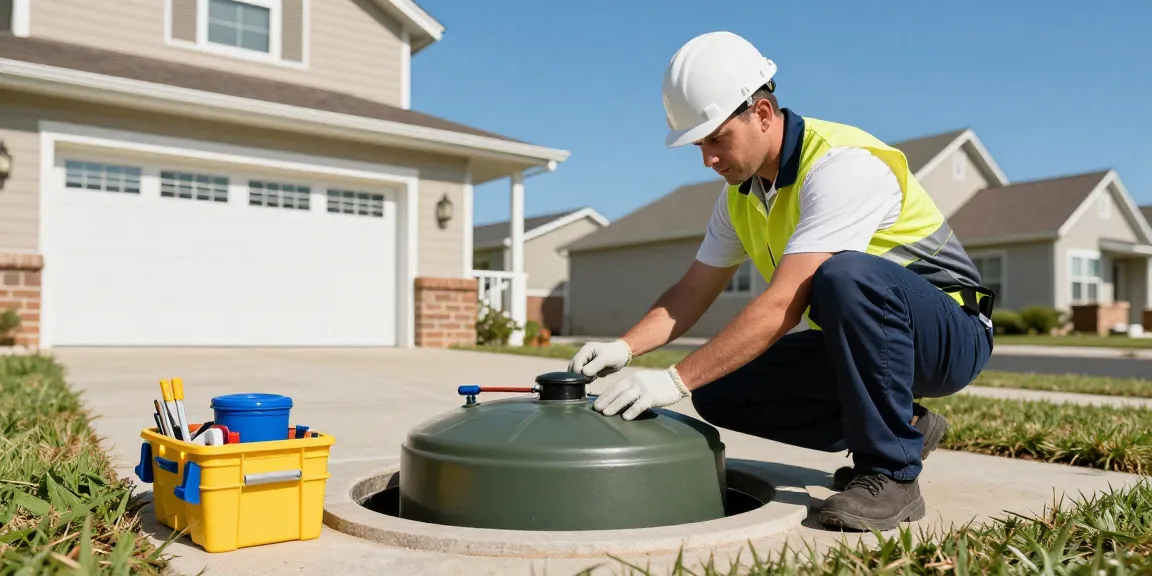
Understanding Septic Cleaning Services
Septic cleaning is a critical service for homeowners and property managers alike, ensuring that septic systems operate effectively and efficiently. With the complexities involved in maintaining these systems, understanding the nuances of septic cleaning can empower you to make informed decisions for your health and wellness, environment, and home preservation. When exploring options, septic cleaning providers can deliver tailored solutions that meet your specific needs, ensuring your system remains in optimal condition.
What is Septic Cleaning?
Septic cleaning involves the process of pumping out sludge and liquid waste from a septic tank. This maintenance practice is essential for preventing backups and ensuring proper waste decomposition. Typically, septic systems include a tank where waste is stored before being filtered into the drain field. As waste accumulates, it needs to be transported to a treatment facility to prevent system failure.
Benefits of Regular Septic Maintenance
- Preventive Care: Regular cleaning can help prevent costly repairs and system failures.
- Longer Lifespan: Proper maintenance extends the life of the septic system.
- Health Protection: Reduces the risk of contamination from waste leaks.
- Environmental Responsibility: Ensures wastewater is adequately treated before it reenters the ecosystem.
Signs You Need a Septic Clean
Homeowners should be aware of specific signs that indicate the need for septic cleaning. These include:
- Unpleasant odors in your yard or near the septic tank.
- Pooling water or wet spots around the drain field.
- Slow drains or backups in plumbing fixtures.
- Increased grass growth over the drain field compared to surrounding areas.
Choosing the Right Local Septic Service Provider
Selecting a reputable septic service provider is crucial to ensuring your system is maintained correctly. The right local provider offers transparency, professionalism, and quality service.
Key Qualities of Trusted Providers
- Licensed and Insured: Always choose a service that is licensed to operate in your area and carries liability insurance to protect you.
- Experienced Technicians: Opt for companies with trained professionals who leverage industry best practices.
- Positive Reviews: Check testimonials and reviews from previous customers to gauge service quality.
- Detailed Estimates: A reputable provider will offer clear and detailed estimates before services are rendered.
Questions to Ask Before Hiring
Before you finalize your choice, consider asking these essential questions:
- What is included in your septic cleaning service?
- Do you offer a warranty or guarantee on your work?
- Can you provide references from satisfied customers?
- What safety measures do you follow during the cleaning process?
Importance of Licensing and Insurance
Selecting a septic service provider that is both licensed and insured is non-negotiable. This not only ensures compliance with local regulations but also protects you from potential liabilities that may arise during service delivery. Always ask for proof before proceeding with any work.
Septic Cleaning Costs: A Pricing Breakdown
Understanding the costs associated with septic cleaning can help you budget effectively and avoid surprises. Prices can fluctuate based on several factors, including the size of your septic tank, the accessibility of the tank, and additional services required.
Average Costs and Factors Affecting Pricing
The average septic tank cleaning cost typically ranges between $250 to $500, depending on the tank size and local rates. Key factors include:
- Geographic Location: Costs may vary significantly based on your local market.
- Tank Size: Larger tanks require more labor and resources to clean.
- Condition of the System: Systems in poor condition may incur additional costs for repairs or maintenance.
Cost Comparisons: DIY vs. Professional Services
While DIY options may seem like a cost-saving opportunity, professional services provide expertise that can prevent long-term issues. The risks involved with DIY septic cleaning often outweigh the benefits, making professional interventions a safer choice.
Discounts and Specials for Local Residents
Many local septic cleaning companies offer discounts for first-time customers or seasonal specials. Don’t hesitate to inquire about available deals when scheduling your service.
Customer Reviews and Testimonials
Customer feedback plays a vital role in the decision-making process for septic cleaning services. Genuine reviews reveal a provider’s reliability and quality of service, helping you make informed choices.
Why Reviews Matter for Septic Services
Reading reviews can give insight into what to expect from a provider, including their punctuality, professionalism, and effectiveness. Look for patterns in the feedback to gauge overall customer satisfaction.
How to Find Reliable Testimonials
To find trustworthy testimonials, consult local review platforms such as Google Reviews, Yelp, or Angie’s List. Pay attention to reviews that provide specific examples of service outcomes.
Case Studies of Successful Septic Cleanings
Several local service providers provide case studies that detail their successful interventions. Reviewing these can offer peace of mind and confidence in your service choice.
Emergency Septic Cleaning Services
Emergencies can strike at any time, necessitating immediate septic cleaning services to mitigate potential damage and health risks.
When to Call for Emergency Assistance
Households should call for emergency septic services when they experience severe backups or when the tank is overflowing. These situations can pose risks, making quick action essential for safety and sanitation.
Availability of Same-Day Services
Some service providers offer same-day assistance for urgent needs. Ensure your chosen provider has the capacity to respond quickly in emergencies.
Local Regulations for Emergency Cleanings
It’s important to be aware of local regulations surrounding waste disposal and emergency procedures. A qualified service provider will comply with these laws, safeguarding your property and neighborhood.
FAQs About Septic Cleaning
Homeowners often have questions about septic cleaning services. Here are some commonly asked questions to better educate yourself.
How Often Should I Schedule Septic Cleaning?
Most experts recommend scheduling a septic tank cleaning every 3-5 years, depending on usage and the size of the tank. More frequent cleanings might be necessary for homes with large families or heavy usage.
What Happens During a Septic Service?
A typical septic service will include pumping the tank, inspecting system components, and assessing the entire system for potential issues. For more information, Miltonsepticpumping.com offers valuable insights. Following cleaning, thorough documentation detailing findings and any recommended actions will usually be provided.
Tips for Maintaining Your Septic System
- Avoid flushing non-biodegradable items: This includes wipes, feminine hygiene products, and other materials.
- Limit water usage: Spreading out laundry and heavy water usage can reduce strain on the system.
- Keep clear access: Ensure easy access to the septic tank for maintenance work.
- Regular inspections: Schedule routine inspections to catch issues early.