
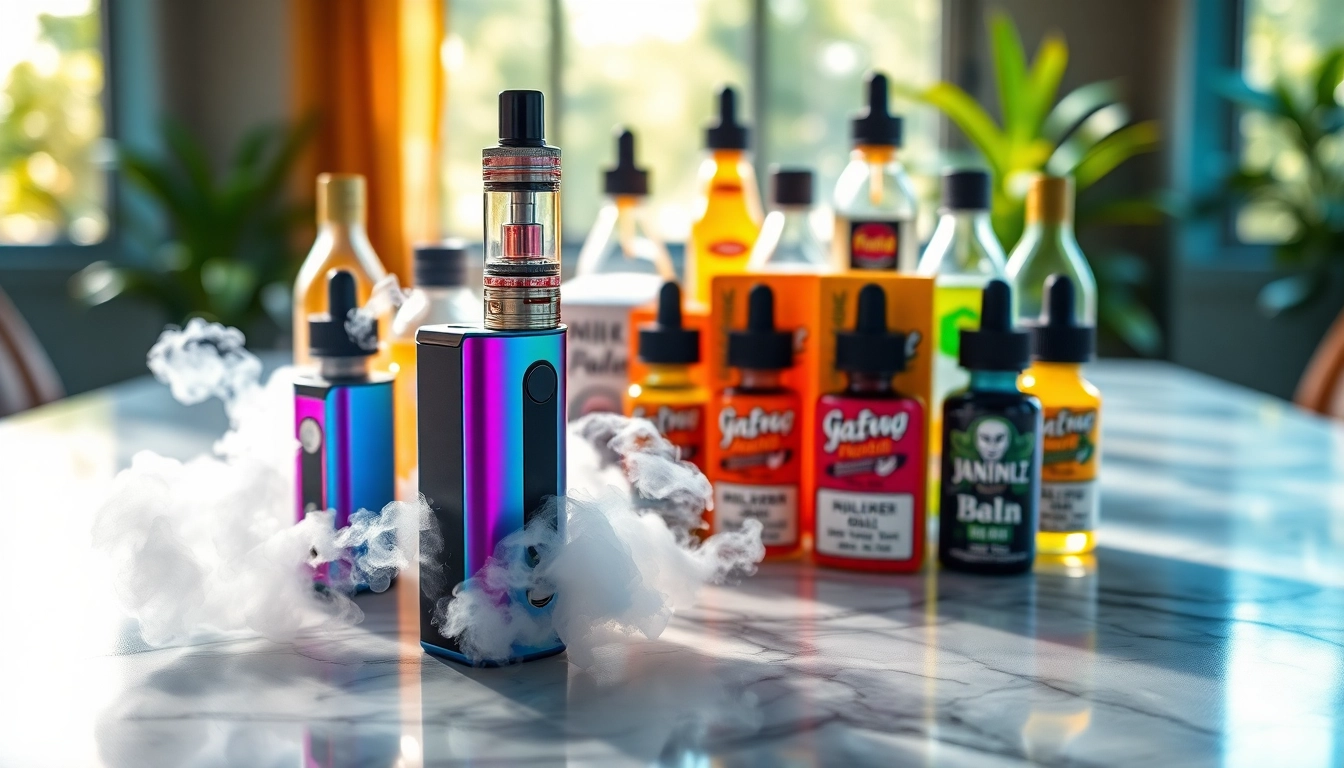
Understanding Vape & E-Liquids
What are Vape & E-Liquids?
Vape & E-Liquids are essential components of the vaping experience, serving as the liquid that is vaporized by the device to create the aerosols inhaled by users. They consist of a mixture of ingredients, primarily propylene glycol (PG), vegetable glycerin (VG), flavoring agents, and, in many cases, nicotine. Depending on the composition of these liquids, users can experience diverse flavor profiles and vapor characteristics, which can significantly enhance the overall enjoyment of vaping.
The booming popularity of vaping in place of traditional smoking has led to a significant diversification in e-liquids, catering to various preferences for taste and nicotine strength. The development of distinct brands and products has created a vibrant marketplace where consumers can select mixtures based on personal preference, making the Vape & E-Liquids industry both dynamic and multifaceted.
Types of Vape & E-Liquids Available
1. Standard E-Liquids: These typically contain a blend of PG and VG along with flavorings and optional nicotine. They are designed for use with standard vaping devices.
2. Salt Nicotine E-Liquids: Formulated with nicotine salts, these liquids allow for a higher concentration of nicotine while maintaining a smoother throat hit, making them particularly popular among former smokers.
3. THC and CBD E-Liquids: These contain cannabinoids like THC or CBD, which are gaining traction due to the growing interest in cannabis products.
4. Flavor-infused E-Liquids: This category includes e-liquids flavored to imitate everything from fruits and desserts to drinks and candies, appealing to those who prefer unique taste experiences.
5. Herbal and Plant-Based E-Liquids: These are crafted using herbal essences or plant-based ingredients, catering to a niche market that seeks natural alternatives without synthetic additives.
Key Ingredients in Vape & E-Liquids
The ingredients in vape & e-liquids play a crucial role in determining their flavor, throat hit, and overall vaping experience. Key ingredients include:
– Propylene Glycol (PG): A colorless and tasteless liquid that serves as a base for many e-liquids. It is known for producing a throat hit similar to that of traditional smoking.
– Vegetable Glycerin (VG): A thicker base that produces larger vapor clouds and is often preferred by those who enjoy excessive vapor production.
– Flavorings: Food-grade flavoring compounds are added to create diverse tastes, ranging from simple fruit flavors to complex dessert combinations.
– Nicotine: Available in varying strengths, nicotine concentration in e-liquids caters to individual preferences, whether one is looking to taper down usage or maintain established levels.
Choosing the Right Vape & E-Liquids for Your Style
Assessing Flavor Profiles
Flavor is one of the most important aspects of choosing vape & e-liquids. The range of available flavors can cater to nearly any preference, with options such as fruity, menthol, dessert, or candy. It is wise to experiment with a few different flavors to discover which ones resonate best with your palate. Here’s how to effectively assess flavor profiles:
– Sample Packs: Opt for buy-from-a-range sample packs to experience multiple flavors without committing to large quantities.
– Consider Seasonality: Certain flavors might appeal more during specific seasons (e.g., fruity flavors during summer and dessert flavors in winter).
– Read Reviews: Researching user reviews can provide insights into the accuracy and quality of flavor profiles.
Nicotine Strength Considerations
Understanding nicotine strength is vital for a satisfying vaping experience. E-liquids come in various strengths, typically ranging from 0mg to 50mg or more. When choosing nicotine strength, consider:
– Your Smoking History: Former smokers might prefer higher nicotine concentrations to ease the transition. Those new to vaping might opt for lower concentrations or nicotine-free options.
– Vaping Frequency: If you plan to vape frequently, a lower nicotine strength might be more suitable to avoid overconsumption.
– Device Compatibility: Different devices may work more effectively with certain nicotine concentrations, especially salts that work better in lower wattage devices.
VG vs. PG Ratios Explained
The ratio of VG to PG significantly impacts vaping experience and preference. Here’s what you need to know:
– High VG (70/30 or higher): Excellent for producing thick vapor clouds, ideal for sub-ohm vaping and for those looking for a more visible vapor output.
– High PG (50/50 or lower): Better suited for beginners and those who prioritize throat hit over vapor production. It tends to carry flavors more effectively and can provide a smoking-like experience.
How to Properly Store Your Vape & E-Liquids
Storage Temperature Recommendations
Proper storage is essential for maintaining the quality of e-liquids. Here are a few tips:
– Cool Environment: Store e-liquids in a cool and dark place to prevent degradation caused by heat and sunlight. Ideal temperatures range from 60°F to 75°F (15°C to 24°C).
– Avoid Frequent Temperature Changes: Rapid temperature fluctuations can affect the consistency and flavor of the e-liquid.
Preventing Oxidation and Flavor Degradation
Oxidation can alter the flavor and quality of vape & e-liquids over time. Follow these practices:
– Limit Air Exposure: Ensure bottles are sealed tightly when not in use to limit exposure to oxygen.
– Use Dark Bottles: E-liquids stored in dark-colored bottles can be less susceptible to light-induced degradation.
Choosing the Right Containers
When storing your e-liquids, choose containers carefully to maintain their integrity:
– Glass Bottles: Glass containers are ideal for long-term storage as they minimize chemical reactions.
– Plastic Bottles: If using plastic, ensure they are made from BPA-free materials, as certain plastics can leach chemicals into the liquid.
Common Mistakes when Using Vape & E-Liquids
Overlooking Expiration Dates
Always check the expiration date on your vape & e-liquids. Expired products may not provide the intended experience and can lead to unpleasant flavors. Storing them correctly will also help extend their shelf life.
Neglecting Device Compatibility
Not all e-liquids are compatible with all devices. Ensure that the VG/PG ratio and nicotine strengths align with your specific vaping device’s capabilities. For example, nicotine salts work best in low-wattage devices, while high-VG liquids excel in sub-ohm systems.
Mixing Different Vape & E-Liquids
Mixing e-liquids can yield interesting flavor combinations; however, it can also result in unintended consequences. When mixing, ensure that the liquids are compatible in terms of VG/PG ratios, nicotine strength, and overall flavor profiles. A poor mix can lead to a burnt taste or an unpalatable experience.
The Future of Vape & E-Liquids Market Trends
Emerging Flavor Trends in the Market
The vaping market is constantly evolving, with new flavors emerging regularly. Some current trends highlight:
– Natural Flavors: A growing interest in organic and natural flavorings as consumers become more health-conscious.
– Dessert and Bakery Flavors: These continue to gain traction as favorites among avid vapers, appealing to people’s sweet cravings.
– Savory Flavors: Unique options like gourmet flavors are emerging as manufacturers explore diverse culinary experiences.
Innovations in E-Liquid Formulations
As technology advances, the formulations of e-liquids are also becoming more sophisticated. Innovations include:
– Nicotine Adaptation: New formulations that enhance nicotine delivery without increasing the hit, designed for smoother experiences.
– Sustainable Ingredients: Manufacturers are exploring more sustainable sourcing of ingredients, responding to eco-conscious consumers.
Regulatory Changes Affecting Vape & E-Liquids
The vaping industry is subject to constant regulatory changes, which can greatly influence market dynamics. Key considerations include:
– FDA Regulations: Compliance with Food and Drug Administration guidelines can shape flavor offerings and nicotine levels in the market.
– State Laws: Local regulations may impose restrictions on sales, advertising, or age requirements that can affect consumer access to vape & e-liquids.