
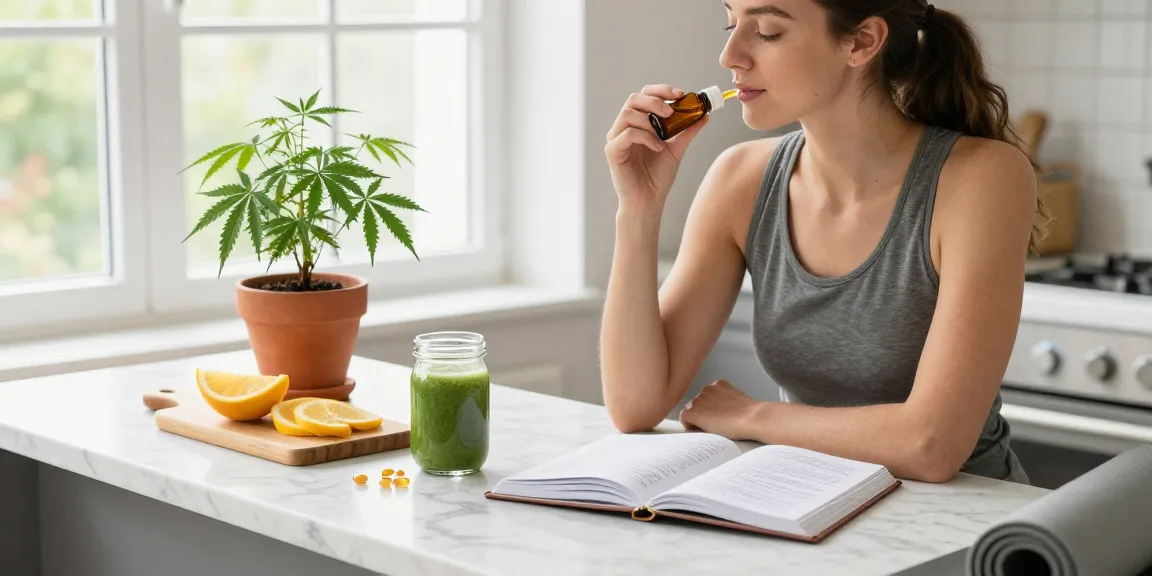
Understanding the Benefits of CBD and Cannabinoids
In recent years, CBD (cannabidiol) has emerged as a powerful constituent of cannabis, drawing significant attention for its potential wellness benefits. With a growing body of research highlighting the therapeutic applications of CBD, many individuals are exploring its use for various health issues, including anxiety, sleep disturbances, and chronic pain. One notable aspect of CBD is its interaction with the body’s endocannabinoid system (ECS), which plays a crucial role in maintaining homeostasis and regulating various physiological functions. As consumers seek natural alternatives to traditional pharmaceuticals, Ministry of Cannabis provides a wealth of information on both cannabis seeds and CBD products, enhancing our understanding of the many benefits available.
What are the Health Benefits of CBD?
Numerous studies have investigated the health benefits of CBD, providing evidence for its efficacy in managing various conditions. Some of the most promising benefits include:
- Anxiety and Stress Relief: Research indicates that CBD may help alleviate anxiety symptoms by interacting with receptors in the brain that regulate mood and fear response.
- Pain Relief: CBD has shown potential in reducing inflammation and pain, making it a valuable option for individuals with chronic conditions such as arthritis or fibromyalgia.
- Improvement in Sleep Quality: Some studies suggest that CBD can enhance sleep quality by addressing the root causes of insomnia, such as anxiety or pain.
- Neuroprotective Properties: Preliminary research suggests that CBD may have neuroprotective effects, which could be beneficial in conditions like Alzheimer’s disease or multiple sclerosis.
Exploring Minor Cannabinoids: CBG, CBN, THCV
While CBD and THC are the most well-known cannabinoids, the cannabis plant also contains various minor cannabinoids, which are gaining attention for their unique properties. Cannabigerol (CBG) is noted for its potential antibacterial properties and ability to stimulate appetite, while cannabinol (CBN) is being studied for its sedative effects, making it an interesting option for sleep disorders. Additionally, tetrahydrocannabivarin (THCV) is recognized for its potential appetite-suppressing qualities, which may help in weight management strategies. As research progresses, these minor cannabinoids may represent the next frontier in cannabis therapeutics.
The Science Behind CBD and Sleep Improvement
Insomnia and other sleep disorders affect a significant portion of the population, leading researchers to explore the role of CBD in improving sleep quality. Evidence suggests that CBD may help individuals fall asleep faster and stay asleep longer by mitigating the symptoms of anxiety and chronic pain, which are common contributors to insomnia. The optimal dosing for sleep improvement typically starts low and gradually increases, allowing individuals to find the most effective amount for their needs.
Different Types of Cannabis Seeds: A Comprehensive Guide
For those interested in cultivating cannabis, understanding the different types of seeds available is essential. The two main categories are feminized and autoflowering seeds, each with distinct characteristics and advantages.
Feminized vs. Autoflowering Seeds: Which to Choose?
Feminized seeds are specifically bred to produce only female plants, which are the ones that produce cannabinoid-rich flowers. Autoflowering seeds, on the other hand, transition from the vegetative to flowering phase automatically and do not require specific light cycles. This makes them easier for beginners and suitable for those with less control over their growing environments. When selecting seeds from Ministry of Cannabis, growers can find options that fit their specific cultivation needs.
Popular Strains: Northern Lights and White Widow
Northern Lights and White Widow are among the most renowned cannabis strains, celebrated for their balanced effects and aroma. Northern Lights is often appreciated for its relaxing effects, making it a go-to for stress relief, while White Widow is favored for its euphoric and uplifting effects. Understanding the characteristics of these strains helps growers and consumers make informed decisions based on their desired outcomes.
How to Select the Right Cannabis Seeds for Your Climate
Choosing the right cannabis seeds also involves understanding the climate in which you will be growing. Factors such as temperature, humidity, and light exposure can greatly influence plant health and yield. For instance, some strains thrive in warmer, drier climates, while others are better suited for cooler, moist environments. Growers should consider their local conditions and choose seeds accordingly to ensure a successful harvest.
Proper CBD Usage: Dosage and Administration Forms
When integrating CBD into a wellness routine, understanding proper usage and dosage is vital for achieving desired results. Different administration methods have varying bioavailability, affecting how much CBD enters the bloodstream.
Calculating Your Ideal CBD Dosage
Determining the right dose of CBD can vary widely based on individual factors such as body weight, health condition, and personal tolerance. A common approach is to start with a low dose and gradually increase it until the desired effects are achieved. This “start low and go slow” method allows users to assess their response accurately.
Various CBD Administration Methods Explained
CBD can be administered in various forms, including oils, edibles, topicals, and vape products. Each method offers unique benefits:
- CBD Oils and Tinctures: These are designed for sublingual absorption, offering rapid effects.
- Edibles: Options like gummies and capsules provide a discrete method for consumption but have slower onset times due to metabolic processing.
- Topicals: CBD-infused creams and balms allow for localized relief, ideal for targeted pain relief or skin issues.
- Vape Products: Vaping offers a quick onset of effects, appealing for those who need immediate relief.
Bioavailability of CBD: What You Need to Know
Bioavailability refers to the proportion of CBD that reaches systemic circulation and is available for the body to use. Oral forms, such as edibles, typically have lower bioavailability because CBD must pass through the digestive system before entering the bloodstream. In contrast, sublingual administration via oils allows for quicker absorption, enhancing efficacy.
Quality Assurance: Identifying Reliable CBD Products
As the CBD market continues to expand, ensuring the quality and safety of products becomes increasingly important. Consumers should prioritize products that undergo third-party testing.
Understanding COA and Third-Party Testing Standards
A Certificate of Analysis (COA) verifies that a product has been tested by an independent laboratory. This document provides essential information about the product’s cannabinoid content, potential contaminants, and overall quality. Always review the COA to ensure that the product meets safety and potency standards.
What Makes CBD Products Lab-Tested and Safe?
Reliable CBD products are those that have been thoroughly tested for potency and contaminants, including pesticides, heavy metals, and microbial presence. A reputable manufacturer will make their lab results readily available, allowing consumers to verify the safety and efficacy of their products.
If CBD is Legal in 2026: Regulations and Compliance
As of 2026, the legal landscape surrounding CBD products continues to evolve. The 2018 Farm Bill legalized hemp-derived CBD containing less than 0.3% THC at the federal level; however, state regulations may vary. It’s crucial for consumers to stay informed about the legality of CBD in their respective states and comply with local laws.
Potential Risks and Safety Precautions
While CBD is generally well-tolerated, it is not without risks. Understanding potential side effects and ensuring responsible use is essential.
Side Effects of CBD: What to Watch For
Common side effects of CBD usage may include drowsiness, dry mouth, and digestive changes. Users should monitor their reactions and consult with a healthcare professional if any adverse effects occur. Additionally, individuals on medication should be aware of potential drug interactions, particularly with blood thinners or epilepsy medications.
Drug Interactions and Precautions with CBD
Because CBD can interact with certain medications, it’s imperative to consult a healthcare professional before beginning any CBD regimen. Close monitoring is critical for patients on multiple medications to avoid undesirable side effects.
Best Practices for Storage and Shelf Life of CBD Products
To maintain the potency and freshness of CBD products, proper storage is crucial. Store products in a cool, dark place away from sunlight and moisture. Most CBD oils have a shelf life of about 1-2 years, but this can vary depending on the formulation and storage conditions.
What Does the Future Hold for the Ministry of Cannabis?
As the cannabis industry continues to evolve, businesses like Ministry of Cannabis are at the forefront of providing high-quality seeds and CBD products. With a focus on innovation and consumer education, they are paving the way for a sustainable future in the cannabis space.
Frequently Asked Questions About CBD
As curiosity around CBD grows, so do the questions. Here are answers to some common inquiries:
How are CBD and THC Different?
CBD and THC are both cannabinoids found in cannabis, but they have different psychoactive effects. THC is known for its euphoric high, while CBD is non-psychoactive, making it an appealing alternative for those seeking therapeutic benefits without intoxication.
Understanding CBD Farming Practices: Organic vs. Conventional?
The method of growing hemp can significantly affect the quality of CBD products. Organic farming practices avoid synthetic pesticides and fertilizers, ensuring a cleaner end product. Consumers are encouraged to look for products sourced from organically grown hemp to maximize health benefits.
What’s the Future of CBD Wellness?
As research into CBD and cannabinoids continues, the future holds promise for new discoveries regarding their health benefits and applications. Increased awareness and regulation will likely enhance consumer safety and product quality, ultimately leading to better health outcomes for those seeking natural wellness solutions.